Same-Day Crowns vs. Traditional Crowns: What to Expect
Posted on 9/22/2026 by SRD Tuscumbia |
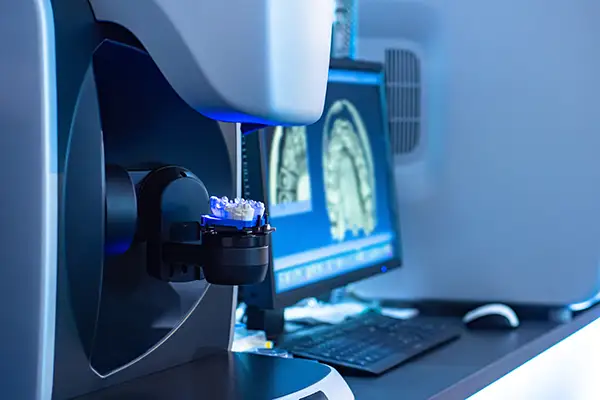 If a tooth needs a crown, most patients assume the process automatically means two appointments, a temporary, and a wait of several weeks, but with same-day crown technology now widely available, that’s no longer the only option. Many people in Tuscumbia don’t realize a crown can often be designed, milled, and bonded in a single visit. The choice between same-day crowns vs. traditional crowns is worth understanding before you sit down in the chair. If a tooth needs a crown, most patients assume the process automatically means two appointments, a temporary, and a wait of several weeks, but with same-day crown technology now widely available, that’s no longer the only option. Many people in Tuscumbia don’t realize a crown can often be designed, milled, and bonded in a single visit. The choice between same-day crowns vs. traditional crowns is worth understanding before you sit down in the chair.
At Singing River Dentistry, we offer both approaches because each fits certain situations better than the other. This guide walks through what a crown actually does, how traditional and same-day CEREC crowns are made, the trade-offs between them, and how the right choice gets made for a specific tooth.
On This Page
What a Dental Crown Does
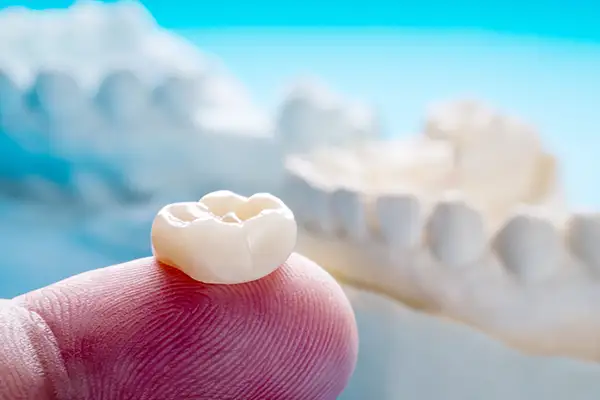 A dental crown is a custom-made covering that fits over the visible part of a tooth, restoring its shape, strength, and appearance. We use crowns when a tooth has been weakened, damaged, or significantly worn down. Common scenarios include a tooth that’s had a root canal, a fracture too deep for a filling, a large failing filling that’s lost too much surrounding tooth structure, or a cosmetic concern that needs more support than a veneer can offer. A dental crown is a custom-made covering that fits over the visible part of a tooth, restoring its shape, strength, and appearance. We use crowns when a tooth has been weakened, damaged, or significantly worn down. Common scenarios include a tooth that’s had a root canal, a fracture too deep for a filling, a large failing filling that’s lost too much surrounding tooth structure, or a cosmetic concern that needs more support than a veneer can offer.
Crowns are designed to do two things at once: protect what’s left of the tooth and look natural in the smile. Modern materials make both achievable, which is why patients usually can’t pick out their own crown when they look in the mirror.
How Traditional Crowns Are Made
The traditional crown process spans two visits, usually about two to three weeks apart. The first appointment is the prep visit. We numb the area, shape the tooth so a crown can fit over it, and capture an impression, either with putty or with a digital scanner. That impression is sent to an outside dental lab where a technician fabricates the crown. While the lab works on the final restoration, you wear a temporary crown that protects the prepared tooth.
At the second appointment, the temporary comes off, the new crown is checked for fit and color, and it’s permanently bonded into place. You usually need a second round of local anesthesia, and the time between appointments means living carefully with the temporary: avoiding sticky foods, being cautious when flossing, and chewing on the other side of the mouth.
Lab-made crowns have been the standard for decades. For complex cosmetic cases that demand specific layering or shading, the lab process still has real advantages.
How Same-Day Crowns Are Made
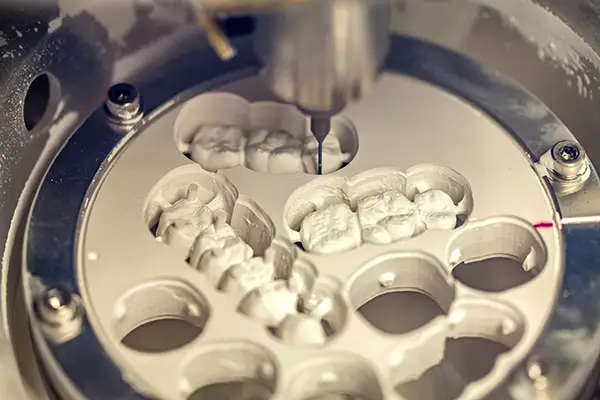 The same-day crown process uses CEREC technology, which stands for Chairside Economical Restoration of Esthetic Ceramics. The visit looks like this: we numb the area, prep the tooth the same way as a traditional crown, and then take a digital scan of the tooth and surrounding teeth using a small handheld camera. No impression putty is involved. The same-day crown process uses CEREC technology, which stands for Chairside Economical Restoration of Esthetic Ceramics. The visit looks like this: we numb the area, prep the tooth the same way as a traditional crown, and then take a digital scan of the tooth and surrounding teeth using a small handheld camera. No impression putty is involved.
The scan goes into design software, where the crown is shaped digitally to match your bite, tooth contour, and the adjacent teeth. Once the design is approved, the data is sent to an in-office milling machine. The machine carves the crown out of a single ceramic block in about 10 to 20 minutes, using the same kind of advanced dental technology that supports many of our restorative procedures. After a quick polish and any final adjustments, the crown is bonded into place.
The whole process, from numbing to bonding, typically takes about one to two hours start to finish. You leave the office that day with the permanent crown already in place. No temporary, no second visit, no second round of anesthesia.
Comparing the Two: Pros and Cons
Each approach has its strengths. The right one depends on the specific tooth, the cosmetic demands, and your preferences.
Same-day crowns shine on convenience. You finish the appointment with the permanent restoration already bonded, which means no second visit, no temporary, and only one round of local anesthesia. Many patients also find digital impressions more comfortable than the traditional putty trays. For molars, premolars, and many front-tooth cases, the in-office milling is fully up to the task.
Traditional lab-made crowns shine on specialized cosmetic work. A skilled lab ceramist can layer porcelain in ways that capture the subtle translucency, shade variation, and surface texture of a natural front tooth, particularly when matching a single crown to several adjacent natural teeth. Certain materials, such as gold or specific layered ceramic systems, are also only available through a lab.
Modern same-day crown materials, including lithium disilicate and zirconia, perform comparably to lab-made crowns in most clinical scenarios. Both are strong, biocompatible, and tooth-colored. Long-term studies show similar survival rates for milled and lab-fabricated crowns when each is well-fitted and properly cemented. Where a meaningful difference appears, it’s typically tied to the complexity of the case rather than a fundamental limitation of either technology.
Which Option Fits Your Situation
A same-day crown often makes sense when the tooth is a back molar or premolar that needs protection more than perfect cosmetic mimicry, when you’d like to wrap up treatment in one visit, or when a temporary crown would create logistical headaches (travel schedules, dental anxiety, or limited time off work). It’s also a strong fit for crowns placed immediately after a root canal so the tooth is fully protected the same day.
A traditional lab-made crown can be the smarter choice for highly visible front teeth where a precise cosmetic match matters, particularly when blending with surrounding natural teeth or other lab-fabricated restorations. It can also be appropriate when a specific material that requires lab fabrication has been recommended.
Both options use crown materials and placement techniques that have been refined over decades. The dentist’s judgment and the specific tooth being treated tend to matter more than which fabrication route is used in most cases.
Taking the Next Step
If you’ve been told a tooth needs a crown, you don’t have to default to whichever option you happen to hear about first. The team at Singing River Dentistry in Tuscumbia, AL can walk you through whether a same-day or traditional crown is the better match for the tooth and your schedule. To talk it through, call us at 256-383-0377 or learn more about our Tuscumbia dental practice and how we approach restorative care.
Frequently Asked Questions
How long do same-day crowns last?
With proper care, same-day crowns typically last 10 to 15 years, and often longer. Long-term studies show survival rates comparable to lab-fabricated crowns. Brushing, flossing, avoiding hard chewing on the crowned tooth, and routine dental checkups all extend the lifespan.
Are same-day crowns as strong as lab-made crowns?
For most cases, yes. Modern milled ceramics like lithium disilicate and zirconia are designed to handle normal chewing forces. The strength depends on the material chosen and how well the crown is bonded, not on whether it was made in-office or in an outside lab.
Does the same-day process require less drilling?
No. The amount of tooth preparation is essentially the same for both crown types. The savings with same-day crowns come from skipping the wait, the temporary, and the second visit, not from removing less tooth structure.
Can a same-day crown be made for a front tooth?
Yes, in many cases. Modern ceramics can achieve a natural-looking match on front teeth. For very demanding cosmetic cases where a new crown needs to blend seamlessly with several adjacent natural teeth, a traditional lab-layered crown sometimes delivers a more precise shade match. Your dentist can advise based on the specific tooth.
What if I need adjustments later?
Both types of crowns can be adjusted if your bite feels off, the crown shifts slightly, or wear changes the fit over time. Minor adjustments are usually quick. Same-day crowns also allow for design tweaks during the same visit before final bonding, which is one practical advantage.
How do I know which option my dentist will recommend?
Recommendations come from a few factors: the specific tooth, its location in the smile, your bite, any existing dental work nearby, and your preference for one visit versus two. Both approaches deliver excellent results in most situations, which is why a brief conversation usually settles it quickly.
|
|

