Sedation Dentistry: Is It Right for You?
Posted on 10/14/2026 by SRD Tuscumbia |
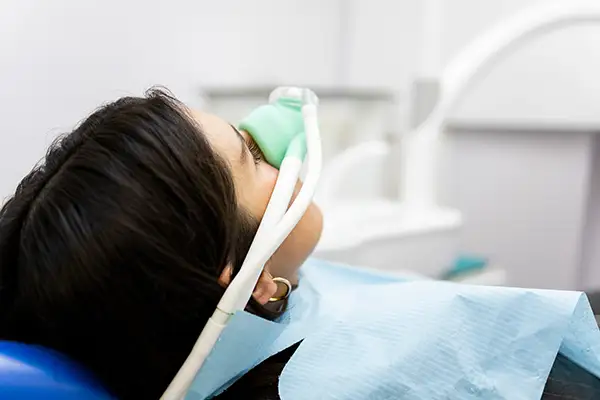 Sedation dentistry uses medication to help patients stay calm and comfortable during dental treatment, and for many people in Tuscumbia, AL, it’s the difference between dreading the dental chair and finally getting the care they need. If you’ve ever postponed an appointment because of nerves, a strong gag reflex, or worry about a longer procedure, you’re in good company. This guide walks you through how dental sedation actually works, the different levels you may be offered, and how to decide whether sedation is a fit for your situation.
We’ll cover what each option feels like, who tends to benefit most, what safety looks like in a modern dental office, and what to expect before and after your visit. By the end, you’ll have the vocabulary to ask informed questions at your next dental exam and talk through options with our team.
On This Page
Who Sedation Dentistry Is For
Sedation isn’t reserved for people with severe phobias. We see it benefit a wide range of patients, from those carrying memories of a difficult past appointment to those who simply want a calmer, more comfortable visit. A useful way to think about it: if something specific about the dental chair makes the visit harder for you, sedation can keep that obstacle from taking center stage.
Reasons our patients ask about sedation include strong fear or anxiety about dental care, an overactive gag reflex that interrupts treatment, trouble sitting still for longer appointments, low tolerance for discomfort, and a preference to combine multiple procedures into one visit. Sedation is also commonly used during oral surgery like wisdom tooth removal and during longer restorative work such as dental implant placement. Patients with sensory sensitivities or special healthcare needs often find sedation makes routine care possible when it otherwise might not be.
Sedation can sometimes be appropriate for children, though pediatric sedation follows different guidelines and is discussed at a separate consultation. For most adults, the conversation starts with one straightforward question: what about the appointment worries you most? The honest answer to that question guides everything else.
The Levels of Sedation, Explained
 Dental sedation isn’t a single thing. It’s a spectrum, ranging from a mild sense of relaxation while you’re fully awake to being completely unconscious. The right level depends on your medical history, the procedure planned, and how anxious you tend to feel. Here’s how the levels generally break down.
Nitrous Oxide (Laughing Gas)
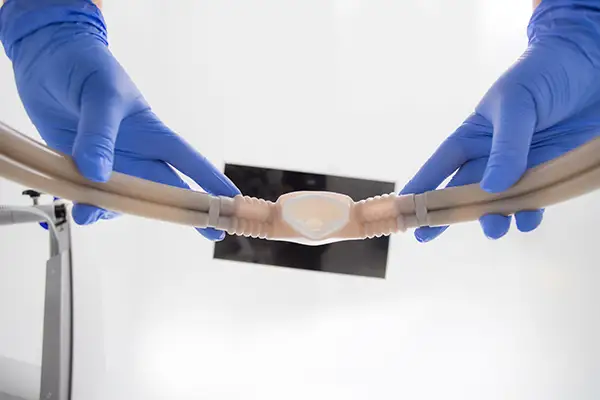
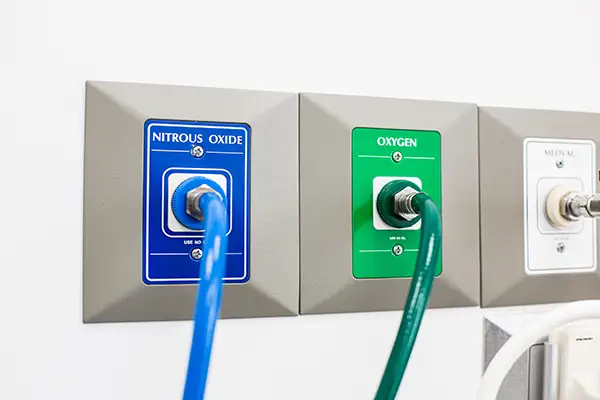
Nitrous oxide is the mildest and most familiar form of dental sedation. You breathe a blend of nitrous and oxygen through a small nose mask, and within minutes you feel a calm, slightly floaty sensation. You stay fully awake and able to respond to your dentist. The practical advantage is recovery: once the gas is switched off and you breathe pure oxygen for a few minutes, the effects clear quickly. Most patients are fine to drive themselves home and return to work or school the same day.
Oral Conscious Sedation
Oral sedation typically involves a prescribed pill taken a short time before your appointment. The medication, usually in the benzodiazepine family, produces deeper relaxation than nitrous, often to the point that the appointment feels short and a bit fuzzy in memory. You’re still technically awake and able to respond, but you’ll feel drowsy and slow. Because the medication lingers in your system for hours, you’ll need a trusted adult to drive you to and from the visit and to stay with you for the rest of the day.
IV Sedation
Intravenous sedation delivers the medication through a small IV line in your arm or hand, which allows the provider to adjust the depth of relaxation in real time. Patients often describe IV sedation as feeling like a short nap, with little or no memory of the procedure. It’s a common choice for longer or more involved oral surgery, including complicated extractions or multi-implant cases. IV sedation requires monitoring throughout the visit and, like oral sedation, a driver and a responsible adult at home afterward.
General Anesthesia
General anesthesia puts you fully unconscious and is reserved for specific situations such as extensive surgical care or cases involving certain medical or developmental factors. Because it requires advanced equipment and an anesthesia specialist, general anesthesia is generally performed in a hospital or specialized surgical setting rather than a typical dental office. If general anesthesia turns out to be the right fit for your care, your dentist will discuss a referral and coordinate the plan with you.
How Safe Is Dental Sedation?
 Modern dental sedation has an excellent safety record when administered by trained providers to appropriate patients. That last part matters. Safety isn’t a property of the medication itself; it’s the combination of the right drug, the right dose, the right patient, and the right monitoring.
Before any sedation, your dentist will review your full medical history, including conditions like sleep apnea, heart disease, lung issues, or pregnancy that may change the plan. You’ll also review current medications and supplements that could interact. During the procedure, vitals such as oxygen saturation, heart rate, and blood pressure are tracked, and the provider adjusts based on what those readings show.
Questions worth asking before agreeing to any level of sedation:
- What training does the provider have for this specific type of sedation?
- How will I be monitored during the procedure?
- How long will the effects last, and what are the recovery instructions?
- Are there any medications I should pause beforehand?
These are reasonable questions, and a good provider welcomes them. Open conversation about the plan is itself a meaningful part of safety. If a recommendation ever feels rushed or unclear, slow it down and ask for more detail.
What to Expect Step by Step
Knowing the flow of a sedation appointment removes most of the mystery. Details vary by sedation type, but the general arc looks similar across the board.
Beforehand, you’ll get specific instructions about food, drink, and medication. For nitrous oxide, restrictions are minimal. For oral and IV sedation, you’ll typically need to avoid food for several hours, arrange a ride, and wear comfortable clothing with sleeves that roll up easily if an IV is involved.
On the day of the appointment, the team will confirm your health information, and the sedation will be started in the chair. With nitrous, the effects begin within a few minutes. With oral sedation, you may have already taken the pill at home and arrived feeling drowsy. With IV, the line is placed and the dose is titrated gradually until you’re comfortably relaxed.
During the procedure, you’ll usually remember little or nothing, depending on the depth of sedation. Local numbing medication is still used at the treatment site so the area is comfortable, even though you feel relaxed overall. Your provider checks in with you periodically and adjusts as needed.
Recovery depends on the type of sedation. Nitrous wears off quickly, and you can leave under your own power. With oral or IV sedation, plan for a quiet day at home with a responsible adult nearby. Most patients feel back to normal by the next morning. Avoid driving, alcohol, and signing important documents until the following day.
Talking With Our Tuscumbia Team About Sedation
If dental anxiety, a long appointment, or a difficult past experience has kept you from the care you need, sedation may make the next visit far easier than you expect. Our Singing River Dentistry team in Tuscumbia, AL is happy to walk through your options, review your medical history, and recommend the lightest, most appropriate level of sedation for your situation. To start the conversation, call 256-383-0377 or reach out to our Tuscumbia office.
Frequently Asked Questions
Will I be unconscious during sedation dentistry?
Only with general anesthesia. Nitrous oxide, oral sedation, and IV sedation are forms of conscious sedation, meaning you remain awake and able to respond, just much more relaxed. General anesthesia, which produces true unconsciousness, is uncommon for routine dental care and is typically performed in a hospital or specialized surgical setting.
Will I remember anything from the appointment?
It depends on the level. With nitrous oxide, most patients remember the visit clearly. With oral sedation, memory of the appointment is often hazy. With IV sedation, many patients have little to no memory of the procedure itself. This memory effect is one reason sedation can be so helpful for patients with significant dental anxiety.
Will I still feel anything during the procedure?
Sedation calms your nervous system, but it doesn’t numb the treatment area on its own. Your dentist will still use local numbing medication so the tooth, gums, and surrounding tissue are fully numb. The combination is what keeps the visit comfortable.
Can I drive myself home after sedation?
It depends on the type. Nitrous oxide wears off within minutes once you switch to oxygen, so driving home on your own is generally fine. Oral sedation and IV sedation stay in your system much longer, and you’ll need a trusted adult to drive you to and from the appointment and stay with you afterward.
Is sedation dentistry safe for older adults?
In most cases, yes, but the plan should be individualized. Older adults often take more medications and may have conditions that affect how their body responds to sedatives. A thorough medical history review, a careful dose, and appropriate monitoring let many older patients benefit from sedation safely.
How do I know which level of sedation I need?
The right level depends on your anxiety, the length and complexity of the procedure, and your overall health. A simple filling and a complex tooth extraction, for example, often call for different choices. The goal is always the lightest sedation that achieves a comfortable visit. Our team will talk through what you’re feeling, what the appointment involves, and any health factors before making a recommendation together.
|
|

