The Best Oral Hygiene Routine for Busy Adults
Posted on 5/19/2026 by SRD Tuscumbia |
 If you’ve been searching for a realistic, effective oral hygiene routine for busy adults, the truth is that the right routine is shorter than most people expect and protects more than the longest one ever will. Most adults in Tuscumbia, AL aren’t looking for a 20-minute regimen with five different products. You want to know what actually moves the needle on cavity prevention, gum health, and fresh breath without adding stress to mornings that are already too short. If you’ve been searching for a realistic, effective oral hygiene routine for busy adults, the truth is that the right routine is shorter than most people expect and protects more than the longest one ever will. Most adults in Tuscumbia, AL aren’t looking for a 20-minute regimen with five different products. You want to know what actually moves the needle on cavity prevention, gum health, and fresh breath without adding stress to mornings that are already too short.
This guide lays out what works: a streamlined morning routine, the more important evening routine, common shortcuts that quietly backfire, and the tools worth keeping in your bathroom drawer. Strong oral hygiene habits don’t require more time. They require putting your time in the right place.
On This Page
Why Oral Hygiene Slips for Busy Adults
The most common reason adults end up with cavities, gum inflammation, or chronic bad breath isn’t laziness. It’s timing. When mornings are rushed and evenings end with a face-plant into the pillow, oral care gets compressed into the moments that produce the least benefit. A 30-second brush at 6:45 a.m. is better than nothing, but it doesn’t do much for the food and bacteria that have been sitting on your teeth for the past 16 hours.
The good news is that protecting your teeth doesn’t actually require more time. It requires putting your effort in the right place. For most adults, that means treating the evening routine as the priority and accepting that the morning routine can be lean.
A Streamlined Morning Routine
For most healthy adults, the morning routine takes about five minutes total. Here’s what actually matters in that window.
Brush for two full minutes with a soft-bristled brush. Most adults brush for under a minute and don’t realize it, and a brush that’s too firm can damage gum tissue over time. An electric toothbrush with a built-in timer solves both problems instantly.
Time the brush around what you eat. After acidic foods like citrus, juice, or coffee, wait 30 to 60 minutes before brushing because the enamel is temporarily softened and brushing can scrub away surface enamel. After a less acidic breakfast like eggs and toast, brushing right after is fine. If you’re short on time, brush before breakfast and rinse with water after.
Clean your tongue. This takes about ten seconds, dramatically reduces morning breath bacteria, and is the single most overlooked step in adult oral care. A tongue scraper works best, but the back of your toothbrush works too. Move from back to front.
If you use a rinse in the morning, an alcohol-free fluoride or essential-oil-based one is fine. Just know that it isn’t doing the heavy lifting. The brush is.
The Evening Routine That Matters Most
 This is the routine that protects your teeth, and if you only have time for one solid round of care per day, this is the one to keep. While you sleep, saliva production drops to almost nothing, leaving plaque and food residue undisturbed for hours. That’s prime time for cavities and gingivitis to develop. This is the routine that protects your teeth, and if you only have time for one solid round of care per day, this is the one to keep. While you sleep, saliva production drops to almost nothing, leaving plaque and food residue undisturbed for hours. That’s prime time for cavities and gingivitis to develop.
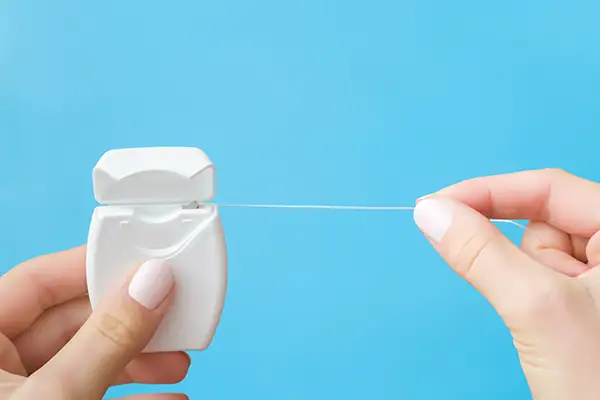
Start with flossing. This is the single most underrated step in adult oral care, and the one most often skipped. Floss reaches the surfaces between your teeth where roughly 35 to 40 percent of decay actually starts, and where a toothbrush physically cannot reach. If traditional floss frustrates you, floss picks or a water flosser are perfectly fine substitutes. The best floss is the one you’ll actually use.
Brush for two full minutes with fluoride toothpaste. Take your time along the gum line and the chewing surfaces of your molars, where most decay happens. After brushing, spit but don’t rinse with water. Letting the fluoride sit on your teeth gives it time to work, and this small adjustment is one of the most evidence-backed changes any adult can make. If you want extra protection, follow with a fluoride rinse and skip the water afterward.
The whole evening routine takes about six minutes. It is, mile for mile, the highest-return six minutes you’ll spend on your health all day.
Common Shortcuts That Quietly Backfire
Plenty of well-intentioned shortcuts actively make oral health worse. These are the ones we see most often in our Tuscumbia office.
Brushing harder. The instinct is that pressure means cleaner. The reality is the opposite. Hard brushing wears down enamel, causes gum recession, and exposes sensitive tooth roots. Soft bristles with light pressure (about the same pressure you’d use to write your name) clean better than aggressive scrubbing every time.
Skipping floss because of bleeding. Bleeding gums are usually a sign you need to floss more, not less. The bleeding reflects inflammation along the gum line, and consistent flossing typically resolves it within a week or two. If bleeding persists longer than two weeks of consistent flossing, that’s when to schedule a dental exam to investigate further.
Using mouthwash as a substitute for brushing. Mouthwash freshens the mouth and can offer some antibacterial benefit, but it does not physically remove plaque. You can’t rinse your way to clean teeth.
Brushing immediately after acidic food or drink. Coffee, citrus, wine, and soda temporarily soften enamel. Brushing right after means you’re scrubbing softened enamel away. Rinse with water and wait 30 to 60 minutes.
Replacing the toothbrush only when it falls apart. Bristles lose effectiveness around the three-month mark, sooner if you brush hard or have been sick recently. A worn brush cleans poorly and irritates gums.
Tools That Save Time Without Cutting Corners
 A few well-chosen tools can shorten a routine without weakening it. These are the ones we most often recommend to busy adults who tell us they want results without complexity. A few well-chosen tools can shorten a routine without weakening it. These are the ones we most often recommend to busy adults who tell us they want results without complexity.
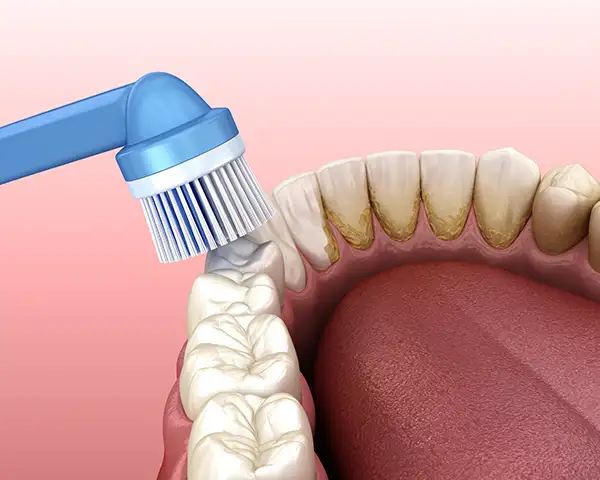
An electric toothbrush with a built-in timer. The two-minute timer alone is worth the investment because it accurately tracks brushing time, which manual brushers chronically underestimate. Oscillating-rotating and sonic brushes both clean effectively. Whichever feels comfortable in your hand is the right one.
Floss picks or a water flosser. For adults who struggle with traditional floss, or who hate it enough to skip it altogether, these tools remove the friction. A water flosser is especially helpful for people with braces, bridges, or implants where regular floss is awkward.
A travel kit for the office or car. A small toothbrush, a mini toothpaste, and a sleeve of floss picks tucked in a desk drawer make midday cleaning possible after coffee, lunch, or a meeting-heavy afternoon. Even a quick two-minute brush after lunch can make a meaningful difference for people with high coffee intake or sticky-snack habits.
A fluoride mouth rinse at bedtime. Not a substitute for brushing, but a useful add-on. The extra fluoride contact time strengthens enamel overnight when saliva flow is low and the teeth need the most help.
Why Professional Cleanings Still Matter
Even the best home routine cannot fully replace what happens during a professional cleaning. Plaque hardens into tartar within 24 to 72 hours, and once tartar forms, no toothbrush or floss removes it. Tartar can only be cleared with the specialized tools used during a professional dental cleaning.
Most adults benefit from a cleaning and checkup every six months. Those with a history of gum disease, diabetes, or other risk factors may need periodontal maintenance visits every three to four months. These appointments also let us spot early decay, gum changes, oral cancer signs, or wear patterns before they become bigger problems. A six-month cleaning isn’t a luxury. It’s the equivalent of an oil change for your teeth.
Building a Routine That Lasts
The best oral hygiene routine is the one you can stick to on your busiest day, not your best day. If your current routine has gaps you’ve been meaning to fix, our team at Singing River Dentistry can take a look during your next visit and help you tighten it up in ways that actually fit your life in Tuscumbia. Call 256-383-0377 or connect with our Tuscumbia office to schedule an appointment.
Frequently Asked Questions
Is it really that bad to skip flossing once in a while?
Skipping a day or two isn’t catastrophic. What hurts is the pattern. Plaque between teeth hardens into tartar within 24 to 72 hours, and tartar is what drives most adult cavities and gum disease. Once-a-week flossing isn’t enough; once a day is the goal.
Should I brush before or after breakfast?
It depends on what you eat. After acidic foods like coffee, juice, or citrus, wait 30 to 60 minutes before brushing because enamel is temporarily softened. After a non-acidic breakfast, brushing right after is fine. If you’re short on time, brushing before breakfast and rinsing with water after eating is a safe default.
How often should I replace my toothbrush?
Every three months is the general guideline, or sooner if the bristles look splayed or frayed. After being sick, replacing it sooner reduces the chance of reintroducing bacteria. Electric brush heads follow the same three-month schedule.
Is a water flosser as good as traditional floss?
For most people, yes, especially if it means you’ll actually do it consistently. Research shows water flossers reduce plaque and gum bleeding comparably to string floss. They’re especially useful for people with braces, implants, or bridges where regular floss is difficult. The best option is the one you’ll use consistently.
Why am I supposed to spit but not rinse after brushing?
Toothpaste contains fluoride, and fluoride needs time on the tooth surface to strengthen the enamel. Rinsing with water immediately washes most of the fluoride away. Spitting out the excess paste, then not rinsing, leaves a protective layer on your teeth overnight.
How often do I really need a professional cleaning?
For most healthy adults, every six months. People with a history of gum disease, diabetes, smoking habits, or certain medical conditions may need cleanings every three to four months for ongoing periodontal maintenance. Your dentist or hygienist will tell you what fits your specific situation.
|
|

