Veneers vs. Bonding: Which Looks More Natural?
Posted on 2/10/2026 by SRD Tuscumbia |
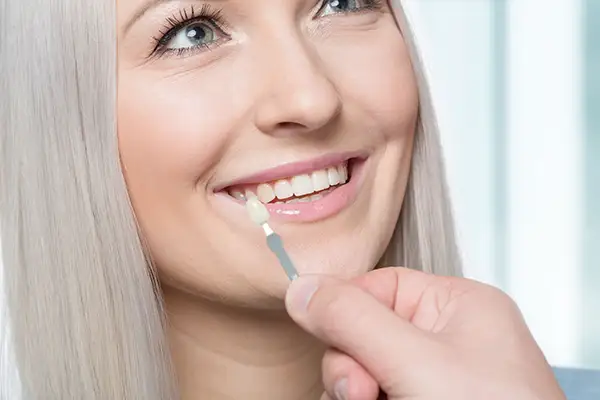 When patients ask us about veneers vs bonding and which option looks more natural, the honest answer at our Tuscumbia, AL office is that both can produce a beautiful result, and the right choice depends on the situation more than on which treatment is “better.” Porcelain veneers and composite bonding are the two most common ways to improve the appearance of front teeth, and they work in very different ways. One is a custom-made shell crafted in a dental lab. The other is a sculpted resin shaped directly on the tooth in a single visit. Each has its strengths. When patients ask us about veneers vs bonding and which option looks more natural, the honest answer at our Tuscumbia, AL office is that both can produce a beautiful result, and the right choice depends on the situation more than on which treatment is “better.” Porcelain veneers and composite bonding are the two most common ways to improve the appearance of front teeth, and they work in very different ways. One is a custom-made shell crafted in a dental lab. The other is a sculpted resin shaped directly on the tooth in a single visit. Each has its strengths.
This article walks through what each treatment is, how they compare on appearance, durability, reversibility, and affordability, and how dentists usually help patients choose. If you are considering a broader cosmetic plan rather than a single-tooth improvement, our cosmetic dentistry overview is a useful place to start.
On This Page
What Are Porcelain Veneers?
A porcelain veneer is a thin, custom-fabricated shell of dental ceramic that is bonded to the front surface of a tooth. The dentist usually removes a small amount of enamel, takes an impression or digital scan, and sends the case to a lab where the veneer is crafted to match the surrounding teeth in color and translucency. Once it comes back, the veneer is permanently bonded into place.
Veneers are often chosen by patients who want a multi-tooth aesthetic change, since they are most effective when several front teeth are addressed together for an even, balanced smile. Common reasons for choosing veneers include stubborn discoloration that does not respond to whitening, mild crowding or spacing the patient does not want to correct with orthodontics, worn or shortened front teeth, and chipping that affects the overall appearance of the smile. To explore the procedure in more depth, our porcelain veneers page covers it step by step.
What Is Dental Bonding?
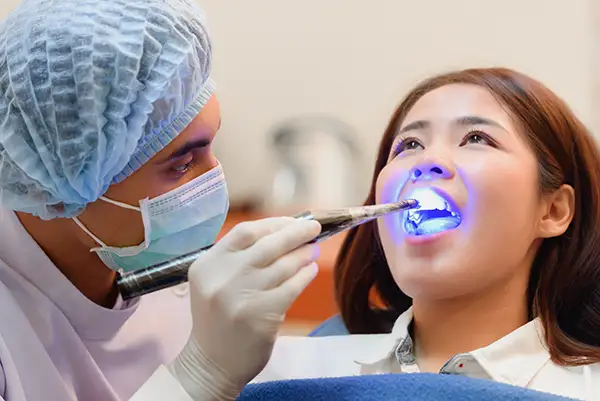 Dental bonding uses a tooth-colored composite resin that is applied directly to the tooth, sculpted by hand into the desired shape, and hardened with a curing light. The process is typically completed in a single visit, often without anesthesia for simple cases, and usually without removing enamel. Dental bonding uses a tooth-colored composite resin that is applied directly to the tooth, sculpted by hand into the desired shape, and hardened with a curing light. The process is typically completed in a single visit, often without anesthesia for simple cases, and usually without removing enamel.
Bonding is well-suited for smaller, more localized improvements: closing a small gap, repairing a chipped front tooth, lengthening a single tooth that has worn unevenly, or covering a minor area of discoloration. Because the work is done freehand in the chair, the result depends heavily on the artistry and experience of the dentist. When done well, bonding can be remarkably difficult to distinguish from natural enamel. Our dental bonding page goes into more detail on what to expect.
Side-by-Side Comparison
Both treatments can look natural. The differences show up in how they perform over time, how much tooth structure they require, and how they hold up to everyday life.
Appearance and Light Reflection
Porcelain is the closest material we have to natural enamel in how it interacts with light. It has a slight translucency that picks up surrounding color the way real teeth do, which is part of why a well-made veneer disappears into a smile. Bonding can also look excellent in skilled hands, but composite is more opaque than porcelain and can take on a slightly flatter appearance under bright light. For a single small repair, this rarely matters. For multi-tooth front-of-mouth work, it can.
Durability and Lifespan
Veneers commonly last 10 to 15 years or more with proper care, and many last longer. Bonding typically lasts 5 to 10 years before it needs touch-up or replacement. The composite material is softer than porcelain, so it is more vulnerable to chipping at the edges and to staining over time, especially from coffee, tea, red wine, and tobacco.
Reversibility and Tooth Preservation
Bonding is generally the more conservative option. Many bonding cases do not require any enamel removal, which means the underlying tooth is preserved. Veneers usually require some enamel reduction (the exact amount varies by case and veneer type), and that change is permanent. Once a tooth has been prepared for veneers, it will need some form of restoration on the front surface from then on.
Affordability
We do not list specific prices because they vary significantly by case, but bonding is generally a more accessible starting point. Veneers represent a larger investment up front, but they often last longer, so the long-term math can come out closer than the per-tooth difference suggests.
Ideal Use Cases
Bonding tends to be the better fit for small chips, single-tooth color touch-ups, minor gap closures, and patients who want a conservative, lower-commitment option. Veneers tend to be the better fit for multi-tooth aesthetic changes, deeper discoloration, or patients who want the most durable, stain-resistant option available.
How to Choose Between Them
A consultation is the most useful starting point because the right answer often depends on details that are hard to see in a mirror. The dentist evaluates how much enamel is present, how the bite distributes force across the front teeth, what color and shape changes you are hoping for, and how many teeth are involved. Sometimes the recommendation is a hybrid plan, such as veneers on the most visible teeth and bonding on lesser-seen teeth to keep the overall investment manageable.
It is also worth thinking about how you take care of your teeth day to day. Patients who grind, bite their nails, or chew on ice tend to need extra protective measures with either option, but those habits affect bonding more aggressively than veneers. If a smile makeover is on your mind, the consultation is where the conversation about long-term goals starts.
Talking to Our Tuscumbia Team
Choosing between veneers and bonding is rarely a decision you have to make alone. The team at Singing River Dentistry is happy to talk through the options, show you examples, and recommend the approach that fits your situation, your timeline, and your goals. Call 256-383-0377 or visit our Tuscumbia, AL dental practice to schedule a cosmetic consultation.
Frequently Asked Questions
Will dental bonding stain over time?
Yes, more than porcelain veneers. Composite resin is somewhat porous and can take on color from coffee, tea, red wine, dark sodas, and tobacco. Regular professional polishing can help maintain its appearance, and replacement is straightforward when the time comes.
Can I whiten my teeth if I have bonding or veneers?
Whitening only changes the color of natural enamel. It does not lighten porcelain or composite. If you plan to whiten, do so before veneers or bonding are placed so the new restorations can be matched to your final shade.
Is one treatment more comfortable than the other?
Bonding is often completed in a single visit with little to no anesthesia for simple cases. Veneers usually involve at least two visits and may require local anesthesia during preparation. Both procedures are generally well tolerated by patients.
Can bonding be replaced with veneers later?
Yes. Many patients start with bonding as a more conservative option and transition to veneers later if they want a longer-lasting or more dramatic result. Because bonding does not always require enamel removal, this kind of upgrade path is common.
Do veneers feel natural in the mouth?
After a brief adjustment period, most patients say their veneers feel like natural teeth. Well-made veneers do not change the way you bite, chew, or speak. If anything feels off after placement, your dentist can fine-tune the fit.
How do I take care of veneers and bonding?
Brush twice daily, floss every day, and keep your routine professional cleanings. Avoid biting hard objects like ice, pen caps, or fingernails. If you grind your teeth, a night guard is an important investment in protecting either treatment.
|
|

