How to Protect Your Teeth from Acidic Foods and Drinks
Posted on 12/6/2025 by SRD Tuscumbia |
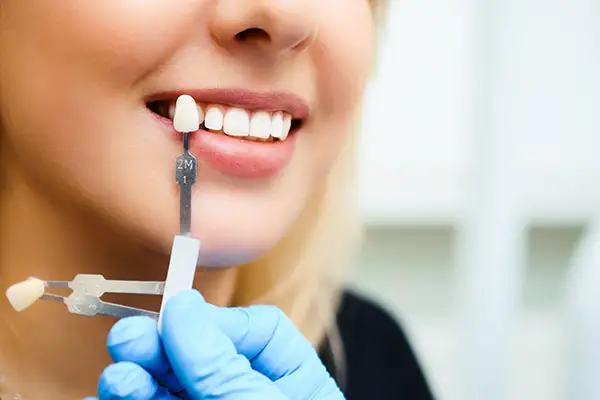 Knowing how to protect your teeth from acidic foods and drinks matters more than most people realize, and our Tuscumbia, AL dental team sees the long-term effects firsthand: enamel worn down by acid does not grow back. Tooth enamel is the hardest substance in the human body, but it is uniquely vulnerable to acid. Once it is gone, dentists can restore the function and appearance of a tooth, but they cannot regenerate the original enamel. That makes prevention the single best strategy. Knowing how to protect your teeth from acidic foods and drinks matters more than most people realize, and our Tuscumbia, AL dental team sees the long-term effects firsthand: enamel worn down by acid does not grow back. Tooth enamel is the hardest substance in the human body, but it is uniquely vulnerable to acid. Once it is gone, dentists can restore the function and appearance of a tooth, but they cannot regenerate the original enamel. That makes prevention the single best strategy.
This article covers how acid actually damages your teeth, the everyday foods and drinks that quietly do the most harm, and the simple habits that meaningfully reduce the damage. Most of the recommendations cost nothing and take only a few seconds to add to your routine. For broader habits that pair well with these strategies, our oral hygiene resource offers a complete daily framework.
On This Page
How Acid Affects Your Enamel
Enamel is mostly made of a crystalline mineral called hydroxyapatite. When the pH inside your mouth drops below about 5.5, that mineral starts to dissolve in a process called demineralization. Saliva, which is naturally close to neutral and rich in calcium and phosphate, works to reverse this process and remineralize the enamel surface, but only when given enough time between acid exposures.
The trouble arises when acid hits your teeth too often, or when you do something that disturbs the surface while it is in its weakened, demineralized state. Brushing right after a glass of orange juice, for example, can scrub away enamel that would have otherwise re-hardened on its own. Frequent sipping spreads acid exposure across hours instead of minutes, which never gives saliva the window it needs to do its job.
Common Acidic Foods and Drinks
Some of the worst offenders are foods and drinks people often think of as harmless or even healthy. Acidity is measured on the pH scale, where 7 is neutral and anything below 5.5 contributes to enamel demineralization.
| • |
Citrus fruits and juices – Lemons, limes, grapefruit, and orange juice all sit well below the enamel safety threshold
|
| • |
Carbonated beverages – Soda (regular and diet alike), sparkling water with citrus flavors, and tonic water all carry meaningful acidity
|
| • |
Wine – Both red and white wine are acidic, with white wines often slightly more so
|
| • |
Sports and energy drinks – Many test more acidic than soda, which surprises a lot of people
|
| • |
Kombucha – The fermentation process gives kombucha a pH similar to vinegar
|
| • |
Vinegar-based dressings and pickled foods – Frequent consumption, especially as a daily habit, adds up over time
|
| • |
Coffee – Acidic enough to matter, especially when sipped slowly over an hour or more |
None of these need to be eliminated. The goal is awareness, not avoidance. How and when you consume them matters far more than whether you do.
Practical Ways to Protect Your Teeth
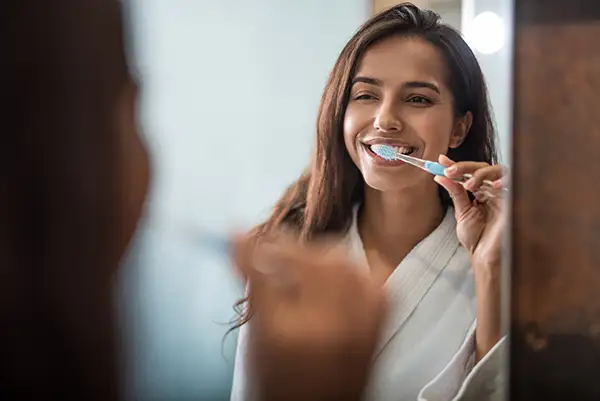 The most effective protective habits are small adjustments rather than major lifestyle changes. Rinse your mouth with plain water right after eating or drinking something acidic. This raises the pH in your mouth quickly and washes residual acid off the enamel surface. The most effective protective habits are small adjustments rather than major lifestyle changes. Rinse your mouth with plain water right after eating or drinking something acidic. This raises the pH in your mouth quickly and washes residual acid off the enamel surface.
Wait at least 30 minutes before brushing after acidic exposure. This gives saliva time to begin remineralizing the softened enamel so that the bristles do not abrade away the weakened layer. If your morning routine includes orange juice or grapefruit, consider brushing before breakfast instead of after, or simply rinsing and letting saliva do its work for half an hour.
Use a straw for acidic cold drinks. It funnels liquid past the front teeth, which are the most vulnerable to visible enamel erosion. Pair acidic foods with neutralizing companions when you can: cheese, milk, and most nuts help buffer mouth acidity. A piece of cheese after a glass of wine is genuinely effective, not just an excuse.
Chew sugar-free gum, especially gum containing xylitol, for 15 to 20 minutes after meals. The chewing stimulates saliva flow, which is your body’s natural defense. Brush with a fluoride toothpaste, since fluoride treatment strengthens enamel against acid challenges. And drink water throughout the day so your mouth never sits dry for long stretches.
Signs Your Enamel May Already Be Eroding
Early erosion is often silent, which is why it can progress further than people expect before they notice. Watch for sensitivity to hot, cold, or sweet foods, especially on the front teeth. A yellower appearance can develop as the white enamel thins and exposes more of the naturally yellow dentin layer beneath. The edges of your front teeth may start to look slightly transparent, rounded, or chipped where they used to be sharp and defined.
If you are noticing any of these changes, do not wait for your next routine visit. Schedule a tooth sensitivity evaluation sooner. Early-stage erosion can often be slowed or halted with fluoride therapy and habit changes. More advanced cases may benefit from bonding or other restorative options to protect the affected teeth from further damage. Regular professional cleanings also give your dental team the chance to spot erosion early.
Keeping Your Smile Strong in Tuscumbia
Small habits, repeated daily, are what keep enamel strong over a lifetime. If you have questions about your enamel or would like a professional evaluation, our team at Singing River Dentistry is here to help. Call 256-383-0377 or schedule a dental exam at our Tuscumbia dental practice to get a clear picture of where your teeth stand.
Frequently Asked Questions
Can enamel grow back once it is gone?
No. Enamel does not have living cells, so once it is fully lost, the body cannot regenerate it. However, very early demineralization can be reversed through remineralization with saliva and fluoride, which is why early intervention matters so much.
Is sparkling water bad for my teeth?
Plain sparkling water is only mildly acidic and much gentler on enamel than soda. Flavored sparkling waters, especially citrus varieties, are more acidic. Drinking it with meals rather than sipping it throughout the day is a reasonable middle ground.
Does diet soda damage teeth as much as regular soda?
From an enamel standpoint, yes. Diet soda lacks sugar but still contains acids, typically phosphoric and citric, that erode enamel. Many people assume sugar-free means tooth-safe, but acidity is its own separate risk factor.
How long after acidic food should I wait to brush?
At least 30 minutes. Brushing too soon can wear away enamel that has been temporarily softened by the acid. Rinsing with plain water right after eating, then brushing later, gives you the best of both worlds.
Can fluoride toothpaste really protect against acid?
Yes. Fluoride incorporates into the enamel surface and makes it more resistant to acid attacks, and it also supports remineralization. For patients at higher risk of erosion, a dentist may recommend a prescription-strength fluoride toothpaste.
Are citrus fruits ever good for my teeth?
Whole fruits, including citrus, deliver vitamins and fiber that benefit overall health, including gum health. The protective approach is not to avoid them but to consume them with meals, rinse with water afterward, and avoid grazing on them throughout the day.
|
|

