The Dangers of Not Treating a Cavity
Posted on 9/15/2026 by Singing River Dentistry - Florence |
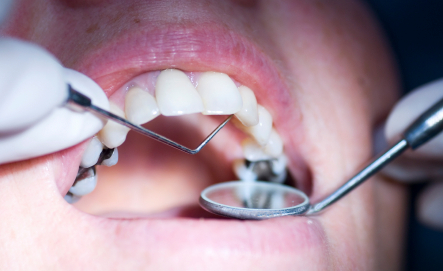 Imagine a tiny hole forming in your favorite sweater. If you ignore it, it'll just keep getting bigger, right? The same thing happens in your mouth with cavities. Let's talk about why ignoring a cavity is a really bad idea and what can happen if you do. Imagine a tiny hole forming in your favorite sweater. If you ignore it, it'll just keep getting bigger, right? The same thing happens in your mouth with cavities. Let's talk about why ignoring a cavity is a really bad idea and what can happen if you do.
What is a Cavity Anyway?
A cavity, also known as tooth decay, is a hole in your tooth. It's caused by bacteria in your mouth that feed on sugar and starches left over from food. These bacteria produce acids that eat away at the hard outer layer of your tooth, called enamel. If left unchecked, this erosion creates a cavity.
The Domino Effect of Untreated Cavities
What starts as a small, barely noticeable issue can quickly snowball into serious problems. Here's how:
| • |
Increased Pain and Sensitivity: As the cavity grows, it gets closer to the nerve inside your tooth. This can cause sensitivity to hot, cold, or sweet foods. Eventually, you might experience constant toothache, making it hard to eat, sleep, or even concentrate. |
| • |
Infection: If the cavity reaches the pulp (the soft tissue inside your tooth that contains nerves and blood vessels), it can become infected. This infection, known as pulpitis, can be incredibly painful and lead to an abscess – a pocket of pus. |
| • |
Tooth Loss: When a cavity destroys enough of the tooth structure, the tooth may become too weak to function properly and may need to be extracted. Losing a tooth can affect your ability to chew properly, speak clearly, and can impact your overall appearance. |
| • |
Systemic Health Issues: While less common, severe dental infections can sometimes spread to other parts of your body, leading to serious health problems. Bacteria from the mouth can enter the bloodstream and potentially affect the heart, lungs, and other organs. |
Why Early Detection and Treatment Matter
The good news is that cavities are often preventable and treatable, especially when caught early. Regular dental checkups are crucial because your dentist can spot cavities even before you notice them. Early detection allows for simpler treatment options.
Options for Addressing Decay through Restoration Dentistry
The specific approach for addressing a cavity will depend on its severity. Small cavities can usually be treated with a filling, where the decayed portion of the tooth is removed and replaced with a restorative material. Larger cavities may require more extensive treatments, such as crowns or root canals, to save the tooth.
Protecting Your Smile: A Matter of Oral Care
Preventing cavities is key to maintaining good oral health. Here are some essential steps you can take:
| • |
Brush Regularly: Brush your teeth at least twice a day with fluoride toothpaste. |
| • |
Floss Daily: Flossing removes plaque and food particles from between your teeth, where your toothbrush can't reach. |
| • |
Limit Sugary Foods and Drinks: Sugary snacks and beverages feed the bacteria that cause cavities. |
| • |
See Your Dentist Regularly: Regular checkups and cleanings allow your dentist to detect and treat cavities early, as well as provide personalized advice on oral hygiene. |
Taking care of your teeth is an investment in your overall health and well-being. Don't let a small cavity turn into a big problem. Prioritize good oral care and regular dental visits to keep your smile healthy and bright for years to come.
|
|