What to Do if You Get Cavity Pain
Posted on 6/15/2026 by Singing River Dentistry - Muscle Shoals |
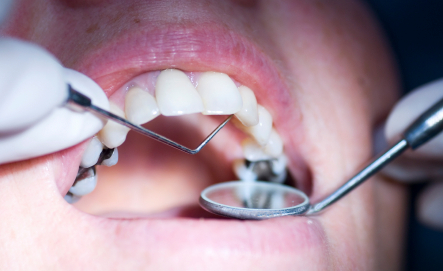 Cavity pain is no fun! It can range from a mild twinge to a throbbing ache that makes it hard to concentrate. Understanding why cavities cause pain and what you can do about it is key to feeling better and keeping your mouth healthy. Let's explore some helpful steps you can take if you're experiencing this discomfort. Cavity pain is no fun! It can range from a mild twinge to a throbbing ache that makes it hard to concentrate. Understanding why cavities cause pain and what you can do about it is key to feeling better and keeping your mouth healthy. Let's explore some helpful steps you can take if you're experiencing this discomfort.
Understanding Cavity Pain
Cavities, also known as tooth decay, happen when bacteria in your mouth produce acids that eat away at the enamel, the hard outer layer of your teeth. This process creates small holes, which can eventually reach the sensitive inner layers of the tooth, including the dentin and the pulp. The pulp contains nerves, so when decay reaches this area, it can cause pain.
The pain might be triggered by:
| • |
Sweet, hot, or cold foods and drinks |
| • |
Pressure from chewing |
| • |
Air exposure |
Sometimes, the pain is constant and throbbing, especially if the cavity is deep and has infected the pulp.
Immediate Relief Strategies
If you're experiencing cavity pain, here are a few things you can try at home for temporary relief:
| • |
Rinse with Warm Salt Water: Dissolve a teaspoon of salt in a cup of warm water and rinse your mouth thoroughly for about 30 seconds. This can help reduce inflammation and kill bacteria. |
| • |
Over-the-Counter Pain Relievers: Medications like ibuprofen or acetaminophen can help alleviate pain and reduce inflammation. Follow the instructions on the packaging carefully. |
| • |
Cold Compress: Applying a cold compress to your cheek near the affected tooth can help numb the area and reduce swelling. |
| • |
Topical Anesthetics: Some over-the-counter oral numbing gels or liquids contain benzocaine, which can provide temporary relief when applied directly to the affected tooth. |
| • |
Avoid Triggering Foods: Steer clear of foods and drinks that trigger your pain, such as sugary, acidic, hot, or cold items. |
The Importance of Professional Dental Care
While these home remedies can provide temporary relief, they don't address the underlying problem. Cavities don't heal on their own. It's crucial to see a dentist as soon as possible.
A dentist can:
| • |
Diagnose the extent of the decay. |
| • |
Determine the best course of treatment. |
| • |
Clean the affected area and prevent further damage. |
Delaying treatment can lead to more serious problems, such as:
| • |
Severe pain |
| • |
Infection |
| • |
Tooth loss |
Long-Term Oral Care
Preventing cavities is always better than treating them. Here are some essential tips for maintaining good oral care:
| • |
Brush Your Teeth Regularly: Brush at least twice a day with fluoride toothpaste, paying attention to all surfaces of your teeth. |
| • |
Floss Daily: Flossing removes plaque and food particles from between your teeth, where your toothbrush can't reach. |
| • |
Limit Sugary Foods and Drinks: Sugar feeds the bacteria that cause tooth decay. |
| • |
Regular Dental Checkups: Visit your dentist for regular checkups and cleanings. These visits allow your dentist to detect and treat problems early, before they become serious. |
| • |
Consider Fluoride Treatments: Fluoride strengthens tooth enamel and makes it more resistant to acid attacks. Your dentist may recommend fluoride treatments, especially if you're prone to cavities. |
The Role of Restoration Dentistry
When a cavity has formed, it's important to seek proper restoration dentistry. The specific treatment will depend on the size and location of the cavity. Common treatments include fillings, crowns, or, in severe cases, root canals. These procedures help to remove the decay, restore the tooth's structure, and prevent further damage.
Taking care of your teeth is an investment in your overall health and well-being. Don't ignore cavity pain. Seek professional dental care and follow good oral care habits to keep your smile healthy and pain-free for years to come.
|
|